
An Alpine Unicorn
Brooke "Shiny" Edwards shares her journey from guiding people in the external wilderness to coaching them through their internal wilderness.

Welcome to The Type 2 Traveler’s guide files. I believe guides are unsung heroes. They’re perpetual students and teachers. When I go through my digital rolodex, these are the people who have shepherded me through the outdoors over the years. Whether you’re looking for a backcountry ski guide or someone to lead you on a hike in Hawaii, these are the folks to call.
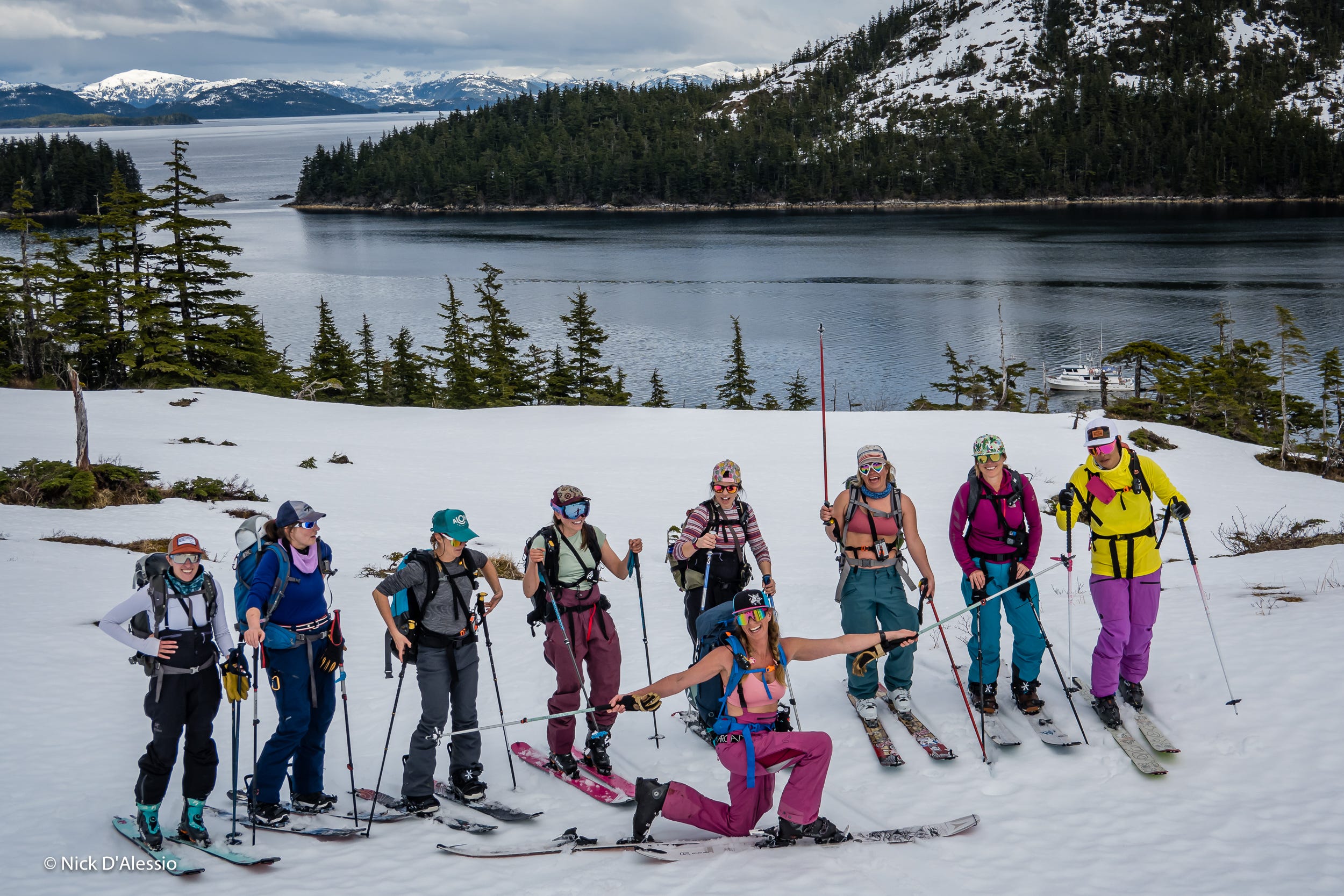
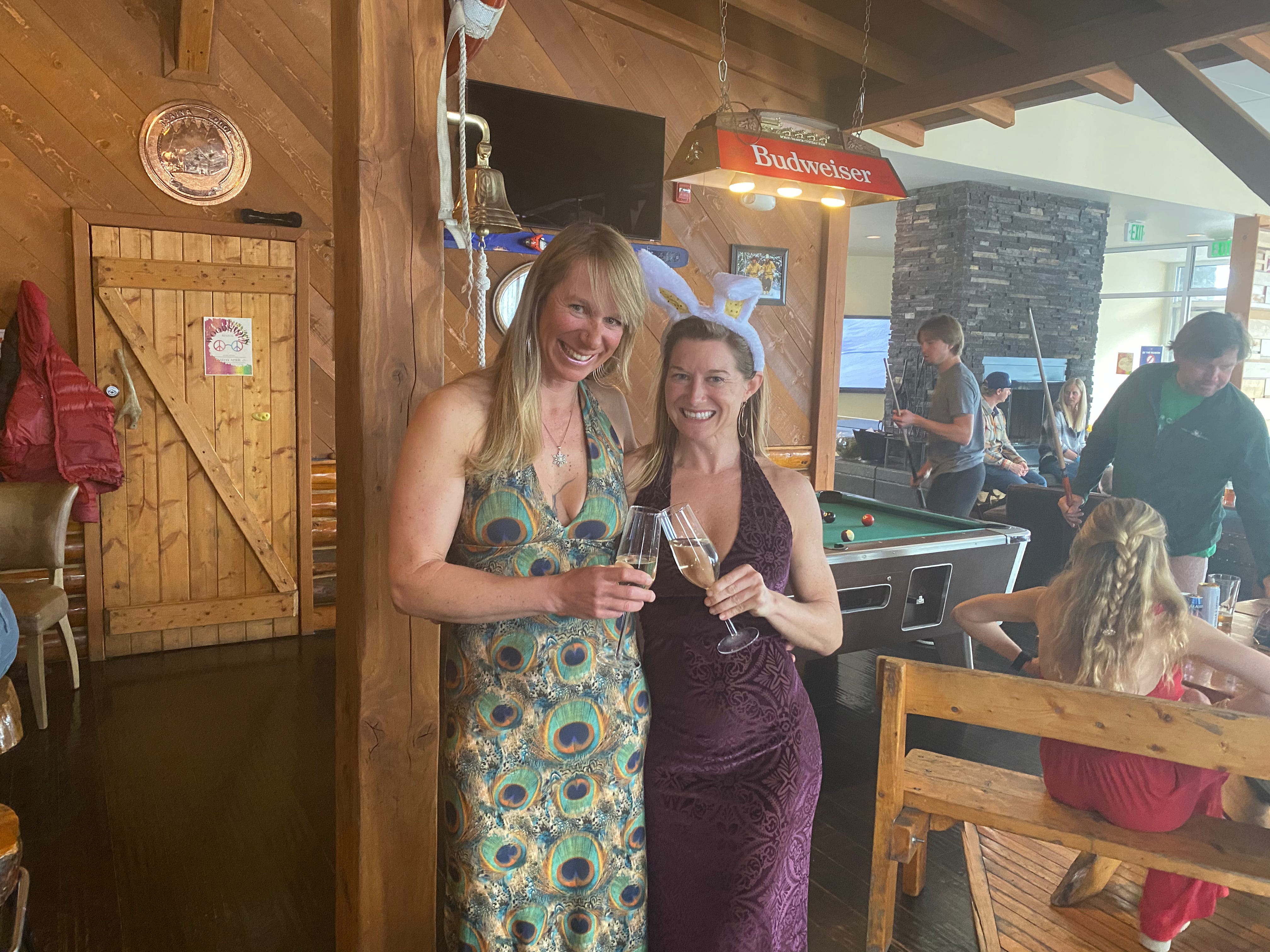
When I arrived at storied Tsaina Lodge in Valdez, Alaska for my first-ever heli-ski trip five years ago, I anticipated a testosterone-fueled week led by gruff mountain men. Instead, I was welcomed by Brooke Edwards, a tall, blonde who was rocking heart-shaped sunglasses and a unicorn horn strapped to her beanie. She pulled a pot of glitter from her purse and anointed me with a dusting. When I confided that I was nervous about whether I could hang lapping 3,000-foot lines in the Chugach with our group of “bros” she gave me a quick wink and an assured me, “you’ll be just fine.” And she was right. An epic ski day, she reminded me, wasn’t about charging the scariest lines, it was about feeling stoked to be playing in the mountains. Her guiding MO isn’t about being the best skier, alpinist, or river rat, she says. It’s about being a great educator. And that she is.
The path to being a backcountry ski guide in what’s traditionally been a male-dominated industry wasn’t easy for Brooke. And the sexism, intimidation, and judgment she faced along the way helped shape her personal journey and that of future female guides in the industry. When Edwards first moved to Girdwood, Alaska in the late 1990s she worked as a substitute teacher, waitress, landscaper and ski instructor to afford her “hippie shack” dry cabin and bills. She relied on ambassador positions with brands like Atomic and Flylow to keep her outfitted with pricey gear. Her resume includes stints guiding horsepacking, backpacking, mountaineering, skiing, rafting, sea kayaking and naturalist guiding at fancy ecotourism lodges. She has also taught for the National Outdoor Leadership School, Lesley University in Massachusetts, Alaska Pacific University, and the Alaska Avalanche School.
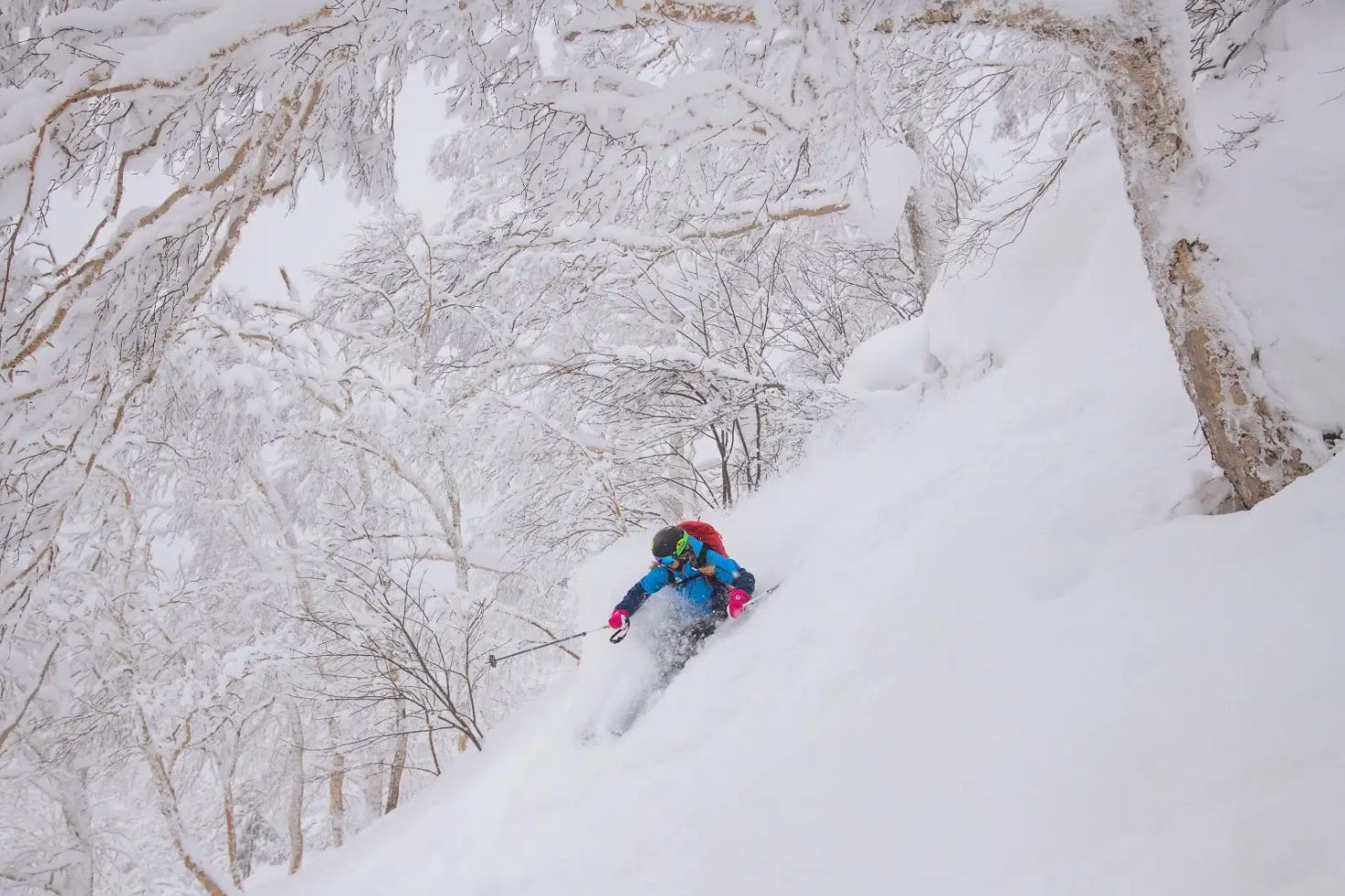
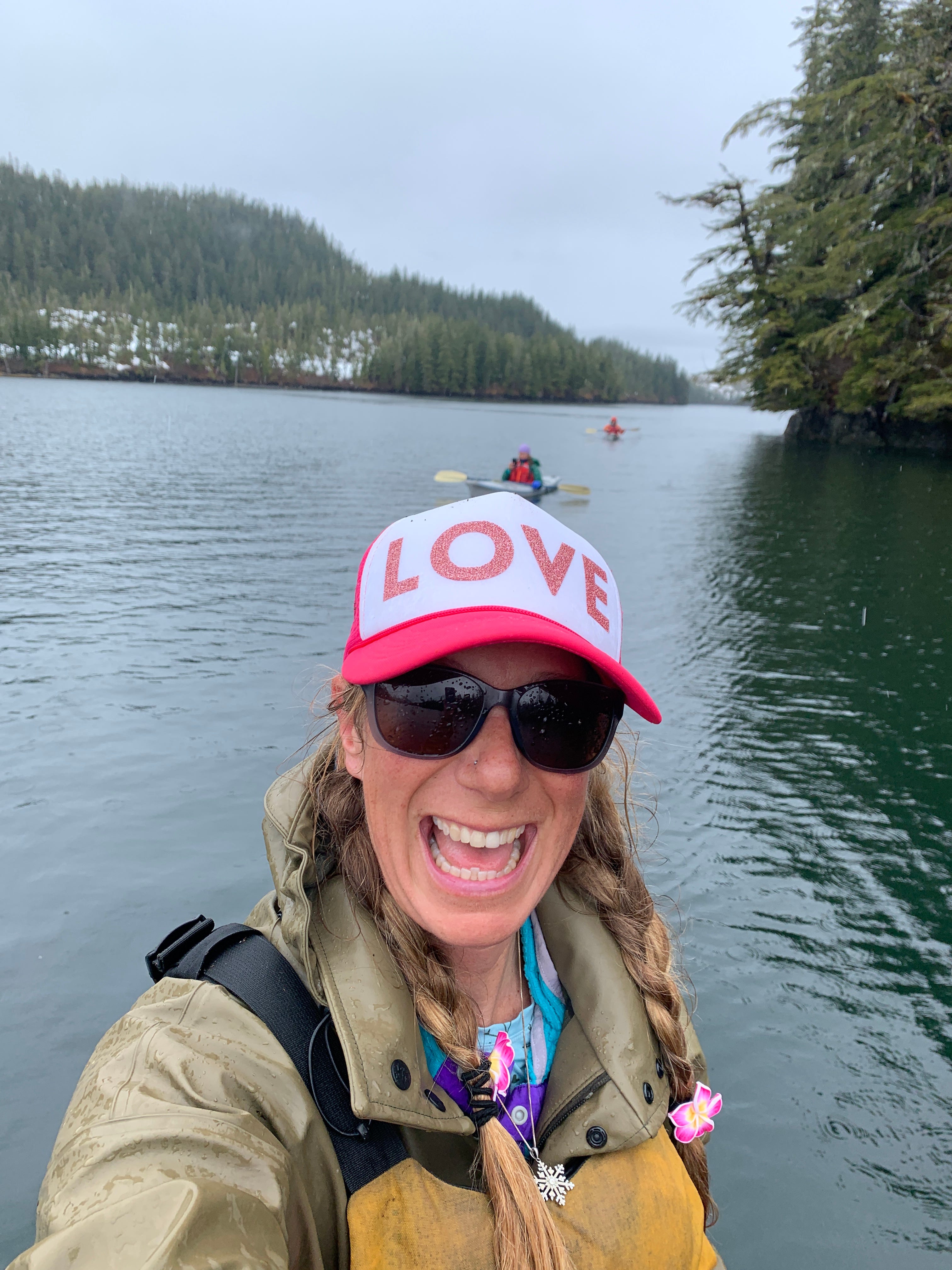
Brooke (aka Shiny due to her penchant for glitter, sparkly retro fashion, and unwavering positive attitude) became my unofficial outdoor sensei. After Valdez, I traveled with her on a sea to ski boat trip in Prince William Sound with Remarkable Adventures then followed her to Hokkaido to get my first taste of Japow. Over the years, she’s helped me find the confidence to navigate challenging adventures and expeditions far outside my comfort zone. But more importantly she’s reminded me that the outdoors isn’t a place to be conquered (because ultimately, it will always win). The wilderness is a place to be humbled and also a respite for when you need to heal. Here, she talks about her role as wilderness midwife, the sacrifices you make when you devote your career to guiding, and her transition from Alaska to Washington where she now works as a resiliency coach.
What was your path to a career in the outdoors?
“Growing up in the Pacific Northwest, my family was way into hiking and backpacking. My mom, in particular, adored ending hikes with a skinny dip in a high alpine lake. My first job ‘guiding’ was right after college when I got to be a camp cook on 12-day horsepack trips in the Teton wilderness. The two cowboys who ran the operation didn’t actually like people, they just wanted to ride in the mountains. So, I would ride along with the clients sharing flora and fauna knowledge and then cooking for them over an open fire. That’s when I knew I had found my calling. I went on to the Peace Corps and returned to get a master’s degree in environmental education from the world’s hippiest graduate school—an experiential traveling school bus program called the Audubon Expedition Institute. It was then that I landed my first job guiding in Alaska.”
How do you describe your guiding philosophy?
“I believe in midwifing people’s experience in the wild, helping them to integrate their experience in a meaningful way into their lives. It’s why I quickly learned that I was not cut out for high adrenaline guiding which has felt to me a little like Disneyland. I really enjoy peeling the onion of the people I am with; engaging in the deep conversations to help them unpack whatever it is they are wrestling with in their lives. It is also of primary importance to me to always be an educator, letting people know how they can help preserve our public lands and wild places so that others can have similar life changing experiences.”
What is the most rewarding aspect of guiding?
“The people! For me, seeing the wonder and awe light up in people brings tears to my eyes. The enormous impact of the wild on the human psyche has been a profound privilege to midwife for others. I remain friends with many of my clients, bringing people close in to both themselves and each other.”
Clients see you lapping powder runs and think you have a dream job. What are the tough parts of guiding that clients don’t see?
“Every career has sacrifices and this one comes with a long list. Even when guiding the wealthiest in the world, the pay is meager. Training and gear are paid for by the guide. There are no sick days, no retirement plans, no health insurance. For 30 years I said yes to the jobs that took me all over the world. Yes, it’s been magical and a dream and I wouldn’t trade all the money or a retirement plan for that. However, the biggest sacrifice of all is the loss of life. I have lost so many colleagues and friends over the years. There’s a statistic in the snow professions that 1 in 40 die on the job. I can speak that my experience of this is true. No one told me that one of the side effects of such loss could be a nervous system injury. I have spent years healing my nervous system and learning how to return to the wilds that heal me without being solely traumatized by them.”


The trauma you have experienced in the wild spurred your transition to this next chapter in your guiding career? Was there a particular moment when you realized I need to step away from ski guiding and become a different type of educator?
“The moment was a long time coming. There aren’t that many old guides. The body gets injured, the nervous system gets injured, the physical and emotional packs get heavier. The last couple of years were heavy with loss, trauma and acute nervous system including a near miss murder by schizophrenic on the job in Alaska. When I filed a workers’ comp claim for my PTSD that disabled me from guiding, I was told that ‘well, you weren’t murdered, so you are fine.’ I used this last insult to injury as the catalyst to finally leave Alaska and transition my career from guiding people in the external wilderness to a career of guiding people through their internal wilderness. I moved to Washington State to be near my family and partner and pivoted to being a resiliency coach.”
What types of people are you working with as a resiliency coach?
“All of my clients who have suffered deep trauma also work in conjunction with a therapist. Where coaching adds another layer is that yes, we go over the past in order to understand the present so that we can build scaffolding toward the future. It’s a very unique role and my approach is very trauma informed borrowing many modalities from the different healing arts to custom curate a coaching plan that works for that individual. I work with guides, ski patrollers, professional athletes mainly in the snow industry, but it turns out, we all need resiliency these days, so lately my clientele has been expanding to meet the greater need. I also have started utilizing my extensive background in leadership and management to coach corporate leaders as well.
Because most folks are unfamiliar with coaching, I often will gift people a session after a few introductory discovery calls so that they can have an experience of my particular style and flavor. I welcome the conversation with anyone regardless of if they become clients or not. Because I work with so many in the industry who are suffering large nervous system injuries, I offer my services on a sliding scale.”
DETAILS: You can follow Brooke’s adventures or connect with her about coaching via Instagram @wildworldwanderings , her website, www.wildworldwanderings.com, or shoot her an email at brookeshinyedwards@gmail.com. Listen to her podcast, the Avalanche Hour, especially her episode Grief’s Gift of Gratitude with Izzy Davis.
Thank you so much Jen for your interview, your kind words and most of all , the beautiful memories we've shared. Gratitude sister, Shiny