Offbeat Africa
Chris Roche, co-founder of Wild Expeditions Africa, encourages travelers to venture into the wilder, less-trodden parts of the continent.

I have traveled to Africa more than 20 times and still haven’t made my way to some of the best-known safari destinations, like Kenya and Tanzania. I am sure the Great Migration is great, but I am more interested in visiting wilder, less touristed frontiers of countries like Madagascar and Ethiopia. When I met Chris Roche at the We are Africa conference a few years ago, I knew I’d found a kindred spirit. Roche, an alum of Wilderness, had just helped launch Wild Expeditions Africa, a collective of owner-run safari camps and expeditions operating in remote parts of Africa. He was surprised to learn that I’d already visited the collective’s founding properties: Lale’s Camp in Ethiopia’s Lower Omo Valley, Camp Hwange in Zimbabwe’s Hwange National Park, and Masoala Forest Lodge in Madagascar.
Since then, Wild Expeditions has added two additional camps, including a second four-room camp, Muddy Teak, in Hwange National Park and Karangoma in the northeastern arm of the Okavango Delta. Two years ago, Chris invited me to the Delta for the opening of Karangoma. The camp’s unique location between the waters of the Okavango and the vast northern woodlands means that it has a spectacularly diverse array of habitats, and the lack of visitors means the wildlife is, well, really wild.
It takes guts and passion to invest in these lesser known, off-the-beaten-path locations. Often the little guys go in and take the risks to see if a destination can work for tourism. If they succeed, the heavy hitters follow. I deeply admire people like Chris who are willing to lay the groundwork and support camps in these unconventional destinations. Here, he shares insights from his recent trip to Gorongosa National Park in Mozambique, possibilities for Angola, and the operators helping to provide an antidote to overtourism.
What inspired Wild Expeditions and how is the experience at your camps unique?
“We wanted to offer an alternative Africa experience – one that went beyond the traditional savannah safari destinations and considered less established destinations like Ethiopia and Madagascar desperately in need of conservation funding that can be generated by responsible tourism. Many businesses open where they see commercial opportunity and then think about the conservation need in the area. We look for a conservation need and then see if we can put in a viable commercial business. Camps in our collective are unpretentious. Everyone says authentic but I don’t even know what that means anymore. What we provide is a feeling of connectedness and that’s hard to market. One client said we go beyond the infinity pool and strip back the layers of luxury to take guests closer to the actual experience.
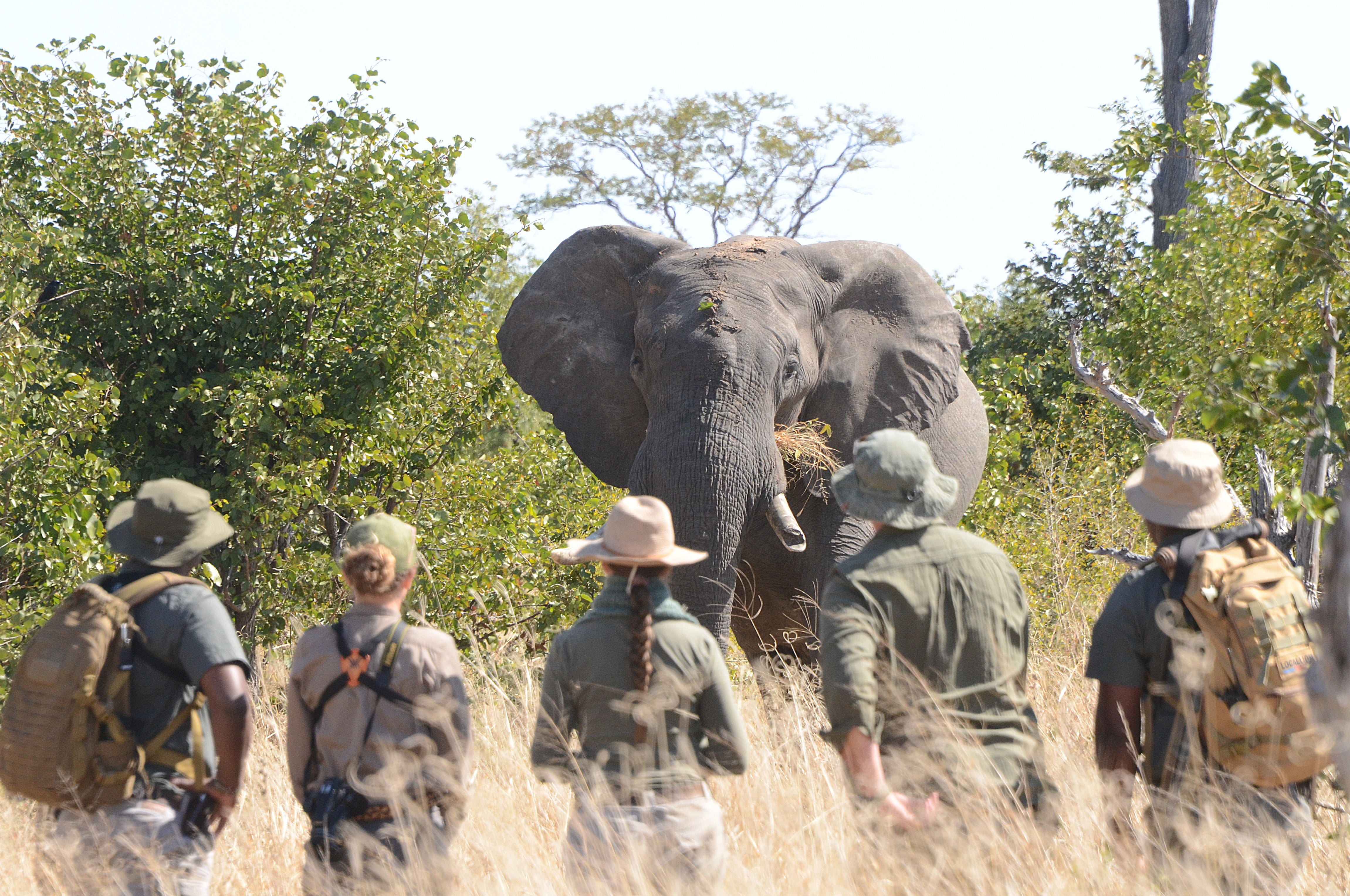
We strip back the unnecessary separation (brick and mortar for example) between the guest and nature and even between the guest and our staff. Guests should feel free to take off their shoes and get their feet dusty. Even though we offer game drives, we want people to walk on the ground rather than drive in an elaborate vehicle. We want them to hear the call of a hyena, not the whir of the AC. At day’s end, we want them sit by the fire under the stars and have conversations about conservation, culture and rural communities with our staff and other guests.
In this global epidemic of loneliness, I believe hospitality needs to have warmth, soul, and connection. A stay at one of our camps should feel like you’re being welcomed into a friend’s home. And that friend wants to share what they love. If we’re having dinner and we hear something, we’ll ask if the guests want to go find it. The other night we were on a night drive in Hwange and we spotted an aardvark and the guide had the guests lie on the ground to watch its movements. We believe flexibility and spontaneity allows for moments of serendipity and lasting memories.”
Why don’t we see bigger outfitters entering these untapped markets?
“The risk is high. The first person in has to subsidize access and you can lose a lot of money. You have to put a lot of capital into a destination, pay the school fees, build a solid infrastructure, and then gamble that people will actually come. If you succeed, everyone else follows and benefits. When someone goes in first you know it’s a labor of love.”
These offbeat Africa destinations aren’t for everyone. Who is the right traveler for a Wild Expeditions property?
“We are not one size fits all. I think it is the traveler that has fallen in love with natural ecosystems and who wants to keep discovering new ones. They’ve seen the Big Five and trekked with the gorillas. They’ve visited the Pantanal in South America and the Outback in Australia and the cloud forests of Ecuador. I think more and more people have entered this vortex of fascination with the natural world through seeing the charismatic Big Five on safari and then graduate to the more nuanced niche experiences that we offer.
Everyone gets excited about the Galapagos. It’s a laboratory of evolution and it’s incredible, but Madagascar is next level. I think we all grew up with idea of lemurs. You can only find them in Madagascar—some 120 different species. And you can experience them in so many ecosystems. Take the sifaka. You can observe it in the dry spiny forest, the rainforest and the tsingy, each ecosystem with a different sifaka species slightly different from the last.”
What are your thoughts on the traditional sundowner ritual?
“I like a gin and tonic as much as the next person, but I find sundowners a distraction. I’d much rather be looking for wildlife.”
What about the trend of wellness in the wild?
“The wellness in the bush trend feels so ironic. Going into the bush has always been therapeutic. Wellness is not adding a cold plunge that the camp has to generate (energy-expensive) ice for. It’s walking in nature without the distraction of a screen. It’s simple.”
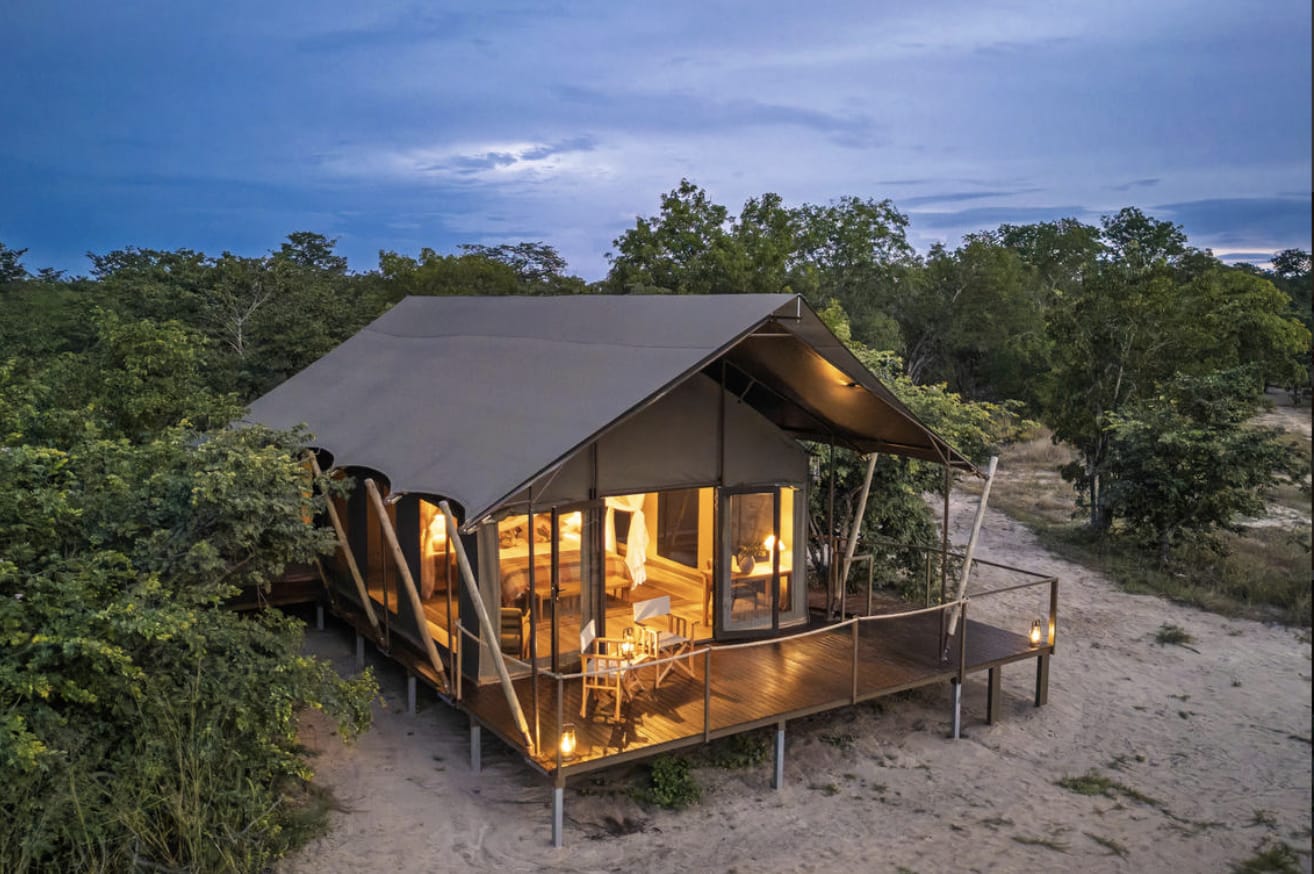
Can you share a bit about your newest addition, Muddy Teak?
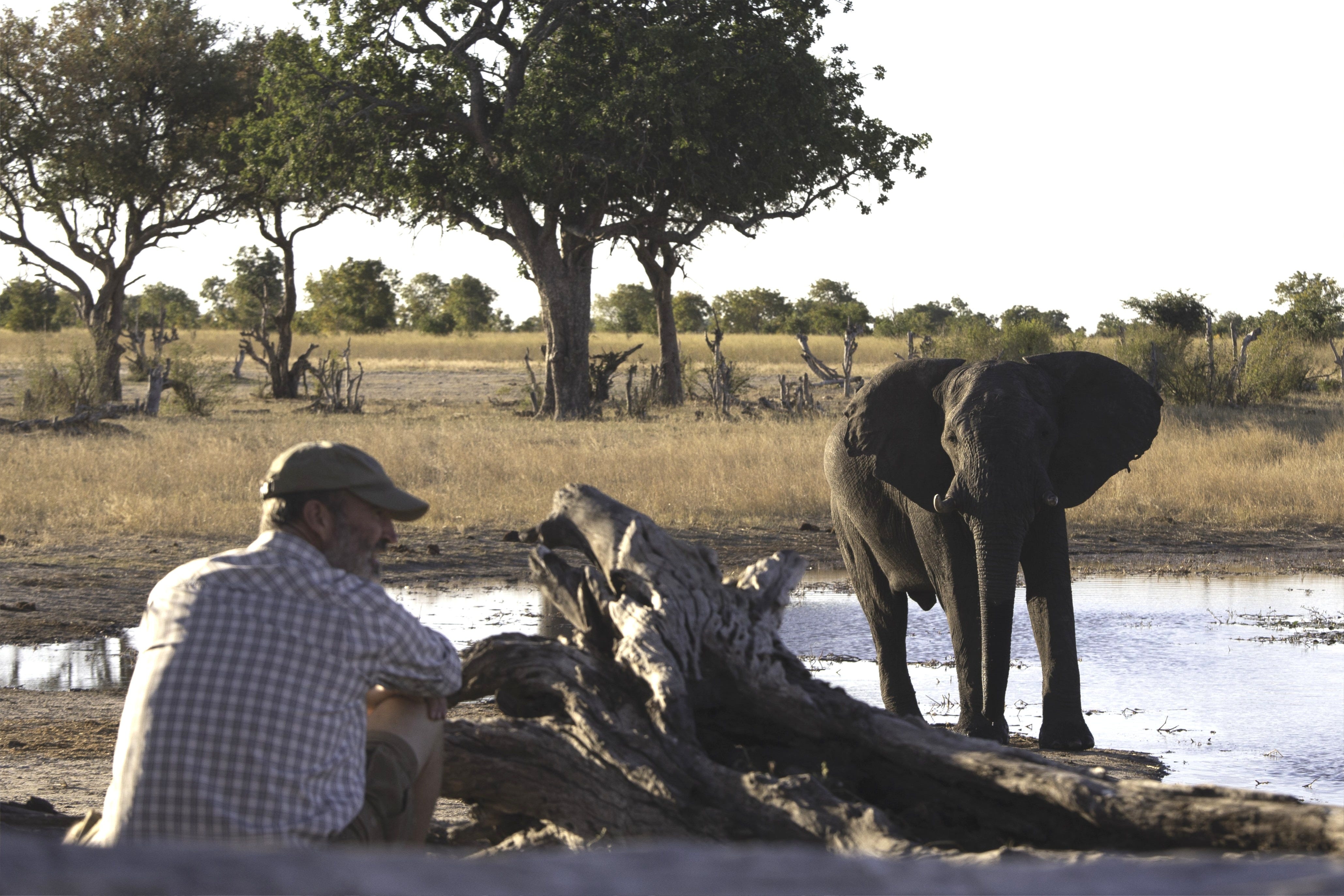
“Muddy Teak is in the same private concession as Camp Hwange in Zimbabwe. It opened last year and is an exclusive-use camp with just four tents. This is subjective, but I believe luxury isn’t a Louis Vuitton bag. It’s the freedom of time and space and autonomy. At Muddy Teak, you’re not constrained to a schedule or itinerary. You can skip the morning game drive or decide to eat lunch out in the bush or stay up watching the animals that gather around the camp’s water hole. You are on your own schedule and don’t have to share it with anyone except who you choose.”
What should people consider when planning a wilderness-based trip to Africa?
“People have become distracted by the tents and lodges. If you want to go skiing, you don’t base your trip around the lodge. You find out if the destination has good powder in February and after that find the accommodations. Think about what you want to see and learn and how you want to experience it. Do you want to see a new species? Do you want to be removed from people? Do you want an experience that will create a closer connection to the wild? Do you want an experience that will make a difference to your life, and the lives of the community you visit? And don’t underestimate the importance of a good guide. The right guide brings a destination to life.”
What destinations in Africa are you excited about right now?
“I’m just back from Gorongosa National Park in Mozambique and it’s one of the best conservation projects on the continent. It was an absolute treat to visit. Lengue Luiana National Park in Angola will see the opening of Luiana Plains Expedition Camp later this year. That’s a 7-million-hectare corner of Angola that at the moment has around 50 lions and could have up to 3,000. That would increase the African lion population by 10% and would create another important lion conservation area. I see this as one of the most exciting scale opportunities for savannah conservation on the continent, whether for lions, giraffes, or elephants. There aren’t that many areas of that scale that aren’t densely populated. Why would Angola protect it from mining, rice irrigation, deforestation, and other threats if they don’t have a monetary incentive. Tourism has an opportunity to step up and created a different return for natural capital.”


Who do you think are the operators taking the risks and embracing the soul of safari?
“Simon Byron from Beagle Expeditions in Botswana. Edd Tucker Brown at Madagascar Classic Collection. Rubert Finch Hatton of Nomad Tanzania has an interesting new expedition camp, Charlie, in relatively new Ugalla River National Park. Machaba Safaris operate in Zimbabwe, Botswana, and they’re opening a new camp in Gabon. Expeditions Ducret runs a boat expedition on the Congo River. And in Kenya, family-owned Kalepo Camp and Campi ya Kanzi are making positive contributions, and Mohanjeet Brar at Porini Camps is taking an interesting approach to expanding the Mara ecosystem through community conservancies. Also check out Gorongosa Safaris in Mozambique. Operations like this are the overtourism antidote in Africa.”